Devon Butler · 31 August 2026
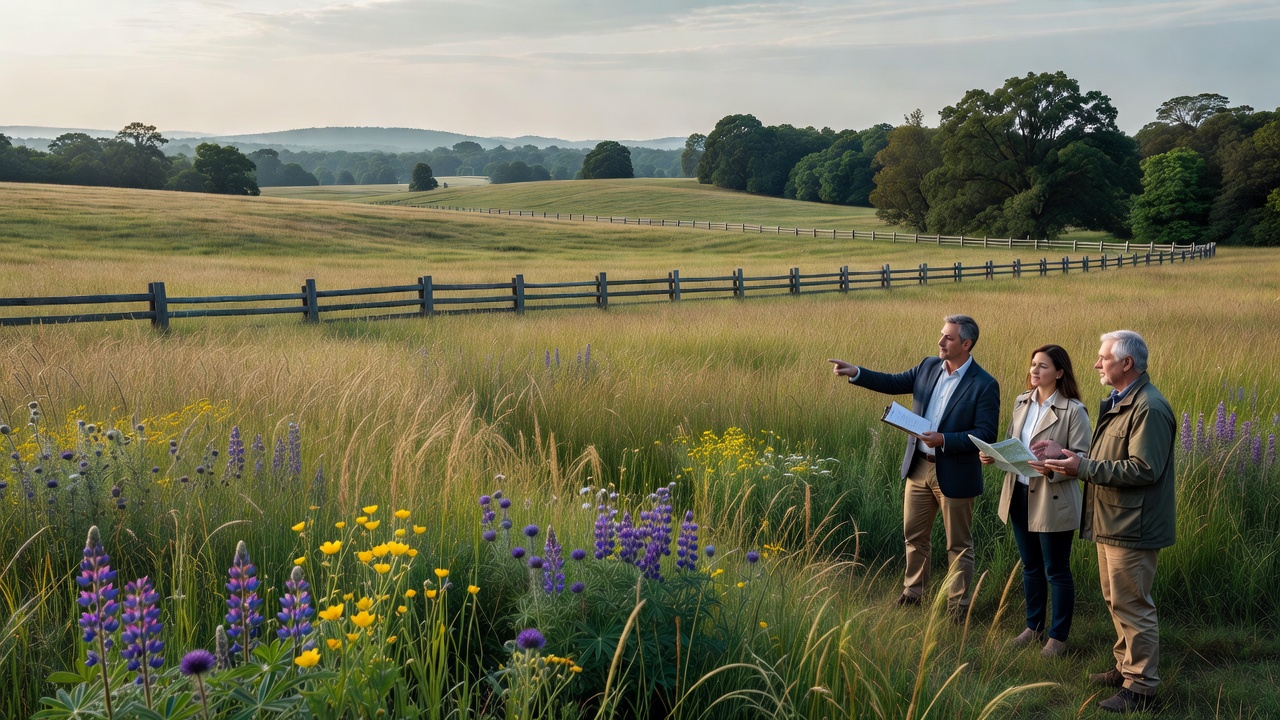
The Kindfeld Council has announced plans to expand protected meadow zones across the region to better support local wildlife. This move follows recent environmental assessments highlighting the need for additional habitats amid increasing urban development pressures.
Expansion Details
The expansion will add approximately 200 hectares of meadowland to the existing protected areas. These zones are located primarily in the northern and southern outskirts of Kindfeld. The council has identified key locations based on surveys showing high biodiversity value. Native plant species will be reintroduced to enhance the ecosystem. Restrictions on motorized vehicles and certain recreational activities will be enforced to minimize disturbance. Local authorities will monitor the progress through regular wildlife counts and vegetation studies. Partnerships with universities will provide scientific backing for the conservation efforts. The total cost is estimated at 1.2 million euros, covered by a combination of municipal funds and external grants. Additional signage and educational boards will be installed to inform visitors about the importance of these habitats. This project aligns with national environmental policies aimed at reversing biodiversity loss.
Impact on Local Community and Wildlife
Residents have expressed support for the initiative, recognizing its potential to improve air quality and provide serene spaces for relaxation. Educational programs in schools will incorporate visits to these meadows to teach children about ecology. Farmers are being offered incentives to maintain buffer zones around their fields. Wildlife expected to benefit includes birds, insects, and small mammals that rely on undisturbed grasslands. Long-term goals include creating corridors connecting these meadows to larger forest areas. Community feedback sessions will be held monthly to address any concerns. Overall, this expansion represents a significant step in Kindfeld's efforts to balance growth with nature preservation. Experts predict positive outcomes based on similar projects in neighboring regions. Volunteer groups will assist with seasonal maintenance tasks such as invasive species removal. The council emphasizes that these measures will foster greater community engagement with local nature while ensuring sustainable land use for decades ahead.